The phrase tool slang meaning often confuses people because the word “tool” can have both literal and figurative interpretations. In everyday language, a tool is something you use to fix or build things—but in slang, it carries a completely different tone.
Many people search for this term after seeing it used in chats, social media comments, or even memes, wondering whether it’s an insult, joke, or compliment.
Understanding slang is important because language constantly evolves, especially online. A single word like “tool” can shift meaning depending on context, tone, and platform. What might sound harmless in one situation could feel offensive in another.
This article breaks down the meaning of “tool” in slang, its origins, how it’s used in different spaces like WhatsApp and TikTok, and even how it compares to its technical meanings in fields like physics and medicine. By the end, you’ll clearly understand how and when to use—or avoid—it.
Meaning & Definition
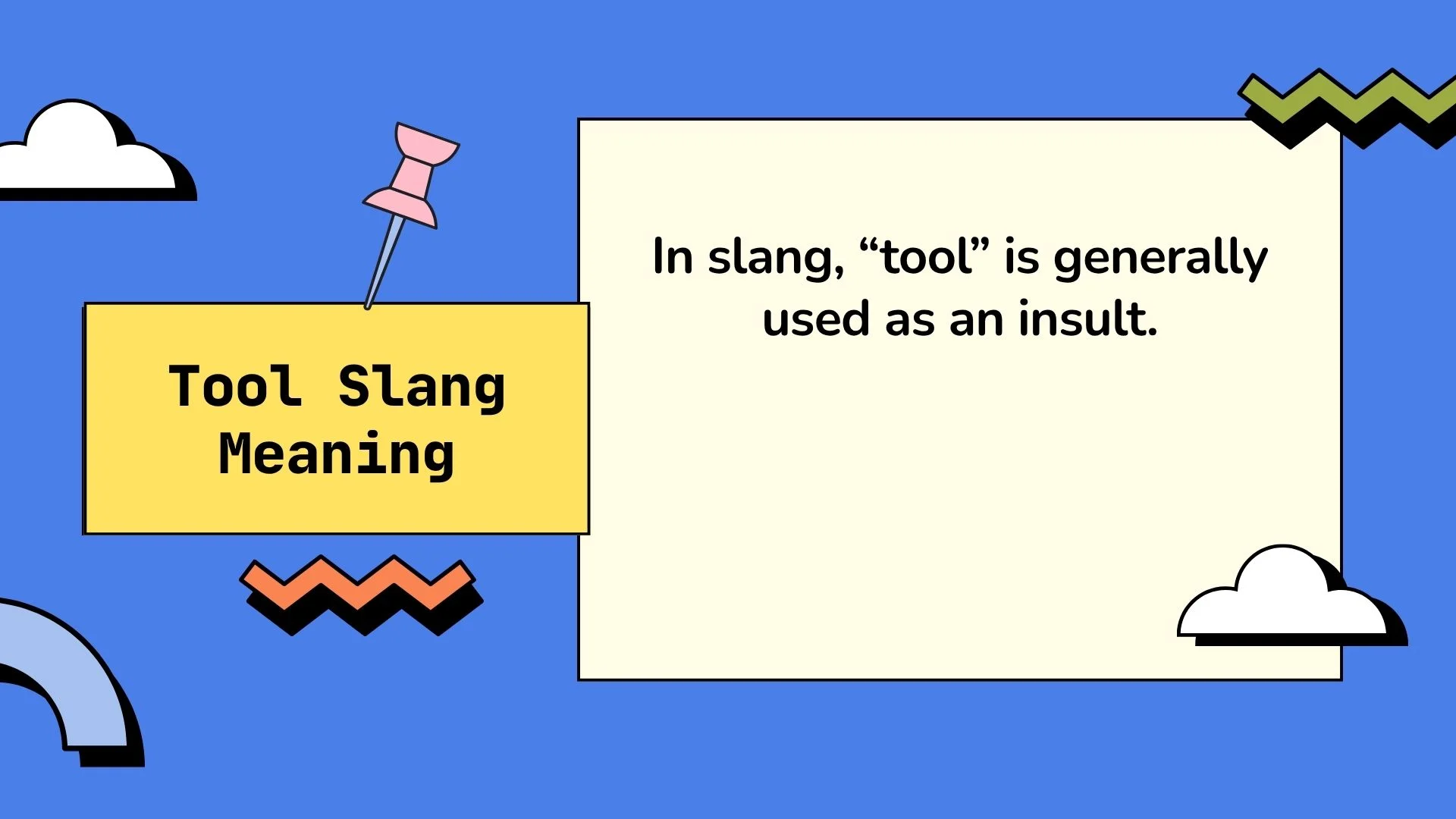
In slang, “tool” is generally used as an insult. It describes someone who is being used by others, lacks awareness, or behaves foolishly without realizing it. The idea comes from the literal meaning of a tool—an object used by someone else—implying the person has little control or independent thinking.
For example, if someone blindly follows trends or gets manipulated easily, others might call them a “tool.” It suggests they are acting without thinking critically or are being controlled by others’ opinions. The tone is usually negative, though sometimes it can be used jokingly among friends.
There are subtle variations in meaning depending on context:
- Naive person: Someone easily influenced
- Show-off: Someone trying too hard to impress
- Follower: Someone without originality
In some rare cases, it can also be used humorously or sarcastically, especially in close friendships. However, in most public or online conversations, it’s safer to interpret it as mild criticism or an insult.
Understanding the tone and context is key. A playful “you’re such a tool 😂” between friends feels different from a serious comment meant to criticize someone’s behavior.
Tool Definition for a Guy
When someone calls a guy a tool, they are usually saying that he behaves in an annoying, foolish, or arrogant way.
It does not mean he is unintelligent. Instead, it suggests that he acts without thinking about how his words or actions affect others. For example, a man who constantly brags, interrupts conversations, or treats people disrespectfully might be called a tool.
The slang can also describe someone who blindly follows others instead of making independent decisions. Friends sometimes use it jokingly after a silly mistake, but strangers often mean it as a genuine insult.
The meaning depends on the tone and situation. In American, British, and Australian English, calling a guy a tool is a common informal expression. While it is less offensive than some stronger insults, it is still considered rude and should be used carefully, especially in professional or unfamiliar settings.
Tool Definition for a Girl
Although the slang tool is more often aimed at men, it can also describe a girl who behaves in a rude, self-centered, or inconsiderate way. Calling a girl a tool means people think her actions are foolish, immature, or unnecessarily mean rather than simply making a mistake.
For instance, someone who constantly mocks others, shows off excessively, or creates unnecessary drama may be described as a tool. The term focuses on behavior instead of gender, so the same meaning applies regardless of whether the person is male or female. Among close friends, it may be used playfully after an embarrassing moment, but in most conversations it is intended as criticism.
Because it carries a negative tone, using it can easily offend someone. If you hear the phrase online, in texts, or on social media, it usually points to someone’s annoying or disrespectful behavior.
Why Is Calling Someone a Tool an Insult?
Calling someone a tool is an insult because it suggests that the person lacks good judgment and is being used by others or acting foolishly. The slang comes from the literal meaning of a tool—an object used to accomplish a task.
When applied to a person, it implies they are allowing themselves to be manipulated or are behaving without thinking independently. It can also mean they are arrogant, obnoxious, or making poor choices that frustrate people around them.
For example, if someone constantly boasts, acts disrespectfully, or follows bad ideas just to impress others, people may call them a tool. The insult criticizes both attitude and behavior rather than intelligence alone.
Since the phrase questions someone’s maturity and independence, it often feels personal. For that reason, it is best avoided in formal conversations or when trying to maintain a respectful relationship.
Background with Examples
The slang use of “tool” became popular in Western pop culture during the late 20th century, particularly in American slang. It evolved from the literal concept of tools being objects controlled by a user. Over time, this idea was applied to people who seemed easily controlled or manipulated.
The term gained traction in movies, TV shows, and internet culture. Characters in teen comedies or sitcoms often used “tool” to mock someone acting foolish or overly eager to impress others. As social media grew, the term spread globally and became part of everyday online language.
Examples:
- “He just agrees with whatever they say—he’s such a tool.”
- “Don’t be a tool, think for yourself.”
- “You bought that just because it’s trending? Tool move.”
In memes, “tool” is often used in a light, humorous way, exaggerating someone’s behavior for comedic effect. However, tone matters. Without humor cues like emojis, it can come across as harsh or judgmental.
Interestingly, the slang meaning remains relatively consistent across cultures, though its popularity varies. In some regions, it’s common, while in others, it may feel outdated or less frequently used.
Usage in Different Contexts (Chat, Social Media, Professional Fields)
The tool slang meaning shifts slightly depending on where it’s used.
In casual chat, it’s often playful or teasing. Friends might use it jokingly to call out silly behavior. Tone and relationship matter here—what’s funny among friends could sound rude to others.
On social media, the word is more commonly used as criticism. Comment sections on platforms like Twitter or Reddit often use “tool” to describe influencers, public figures, or people behaving in an attention-seeking way. It’s usually blunt and not always friendly.
In professional settings, the slang meaning is rarely appropriate. Calling a colleague a “tool” would be considered disrespectful and unprofessional. Instead, the word “tool” is used in its literal sense, referring to software, equipment, or resources used to complete tasks.
The contrast highlights how context defines meaning. The same word can shift from harmless humor to outright insult depending on where and how it’s used.
Meaning in Chat, WhatsApp, Instagram, TikTok
On platforms like WhatsApp, Instagram, and TikTok, the meaning of “tool” depends heavily on tone, emojis, and context.
- WhatsApp: Often used casually among friends. Example: “Bro, you forgot again? Tool 😂”
- Instagram comments: More likely to be critical. Example: “This guy is such a tool.”
- TikTok: Often appears in humorous or sarcastic captions, sometimes exaggerated for comedic effect.
TikTok, in particular, uses slang creatively, so “tool” might be paired with trending sounds or memes to soften its impact. Emojis like 😂 or 😭 can turn it from an insult into playful teasing.
However, without context, it can still feel negative. That’s why understanding tone is essential when interpreting or using the word online.
Meaning in Physics, Medical, and Aircraft Terminology
Outside slang, “tool” has clear and practical meanings in various fields.
In physics, a tool refers to an instrument or device used to conduct experiments or measure results, such as sensors or lab equipment.
In the medical field, tools include surgical instruments, diagnostic devices, or software used to analyze patient data. These are essential for treatment and research.
In aviation, tools refer to equipment used for aircraft maintenance, navigation systems, or cockpit instruments. Precision and reliability are crucial here.
These meanings are completely neutral and professional, with no emotional or insulting tone. This contrast shows how language can evolve differently in technical versus social contexts.
Common Misconceptions
One common misconception about the tool slang meaning is that it always implies stupidity. In reality, it’s more about being easily influenced or lacking independence rather than intelligence.
Another misunderstanding is that it’s always harsh. While it can be insulting, it’s sometimes used playfully among friends. Tone and relationship play a huge role.
Some people also confuse it with its literal meaning, especially in professional environments, leading to awkward misunderstandings. Context usually makes the intended meaning clear.
Similar Terms & Alternatives
Several slang terms have similar meanings to “tool,” including:
- Puppet: Someone controlled by others
- Follower: Someone who lacks originality
- Try-hard: Someone overly eager to impress
- Clown: Someone acting foolishly
Each term has slightly different nuances, but they all share the idea of questionable behavior or lack of self-awareness.
How to Respond to It
If someone calls you a “tool,” your response depends on the situation.
- Playful context: Laugh it off or respond with humor
- Serious context: Ask for clarification or address the comment calmly
- Online negativity: Ignore or disengage to avoid escalation
Understanding intent helps you choose the best response without overreacting.
Differences from Similar Words
Unlike words like “idiot” or “fool,” which directly attack intelligence, “tool” focuses more on behavior—especially being influenced or manipulated. It’s less about mental ability and more about actions or social awareness.
Compared to “puppet,” “tool” is less extreme but still suggests a lack of independence. These subtle differences matter when interpreting tone.
Relevance in Online Conversations & Dating Apps
In online spaces and dating apps, the word “tool” can signal disapproval of someone’s behavior, especially if they appear fake, arrogant, or overly performative.
For example, someone might call a person a “tool” for showing off excessively or copying trends without authenticity. It’s often used to judge personality rather than appearance.
Because first impressions matter in dating, using or receiving such slang can influence how someone is perceived. Being aware of its meaning helps avoid misunderstandings.
Conclusion
The tool slang meaning highlights how language evolves beyond its literal definitions. While originally referring to physical objects, “tool” has become a common slang term used to describe someone perceived as easily influenced, overly performative, or lacking self-awareness. Its tone ranges from playful teasing among friends to mild insult in online discussions.
Understanding context is essential. In professional or technical fields, “tool” remains neutral and practical, but in social settings, it can carry emotional weight. As digital communication continues to grow, words like this gain new layers of meaning shaped by culture, humor, and interaction styles.
By recognizing when and how “tool” is used, you can better interpret conversations and respond appropriately. Whether you encounter it in a meme, chat, or comment thread, knowing its nuances helps you navigate modern language with confidence and clarity.