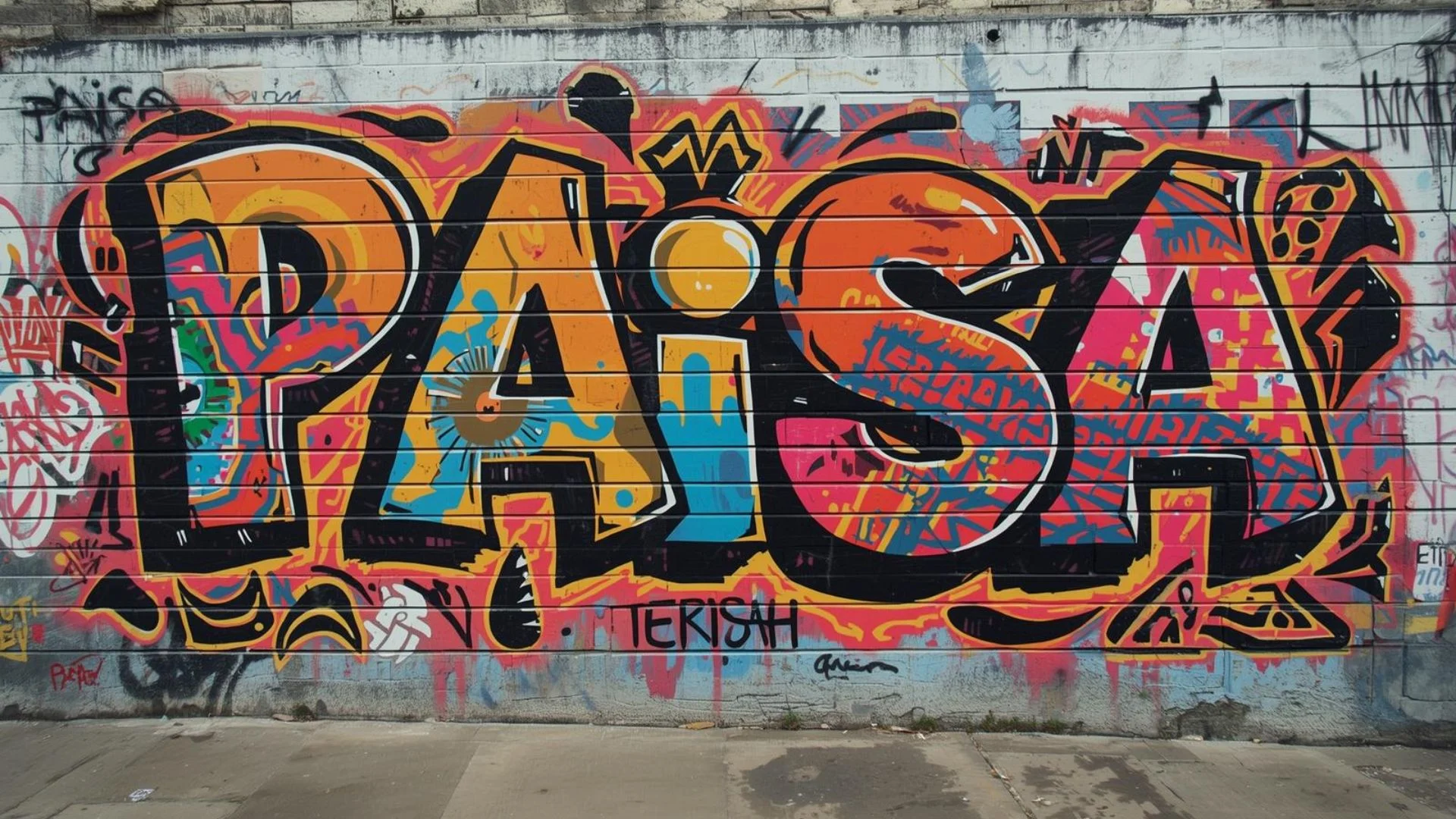
The term “paisa slang meaning” has gained attention as people across different cultures and online platforms use the word “paisa” in both traditional and modern ways. Originally linked to money, “paisa” has evolved into a flexible slang expression used in chats, memes, and even casual conversations.
Many users search for this term to understand whether it simply refers to currency or carries a deeper, more playful meaning online.
In today’s digital world, words often take on new interpretations depending on context, tone, and platform. “Paisa” is one such word that blends cultural roots with internet creativity. Whether you’ve seen it in WhatsApp messages, Instagram captions, or TikTok comments, understanding its slang usage can help you communicate more naturally and avoid confusion.
This article breaks down everything you need to know—from its original definition to its modern slang usage—making it easy to understand and use confidently.
Meaning & Definition
At its core, “paisa” is a term used in South Asian countries like India, Pakistan, Nepal, and Bangladesh to refer to money. Traditionally, it represents a small unit of currency, similar to “cents” in the United States. For example, 100 paisa typically equals one rupee in many systems.
However, when people search for paisa slang meaning, they’re often referring to its informal or modern usage rather than its literal definition. In slang, “paisa” can represent wealth, financial status, or even the idea of spending money freely. It is sometimes used humorously or sarcastically to describe someone who is either rich or acting rich.
For instance:
- “He’s got paisa, don’t worry about the bill.”
- “No paisa, no party!”
In these examples, “paisa” goes beyond just currency—it symbolizes financial power or the lack of it. The tone can vary depending on context, ranging from serious discussions about money to lighthearted jokes among friends.
Overall, the slang meaning still revolves around money but is more expressive, emotional, and context-driven than the traditional definition.
Background with Examples
The word “paisa” has deep historical roots, originating from Sanskrit and later adopted into multiple South Asian languages. It was widely used during ancient and colonial times as a unit of currency. Over time, as languages evolved and cultures blended, “paisa” remained a common term in everyday speech.
With globalization and the rise of the internet, the word began appearing in online conversations, memes, and pop culture. The paisa slang meaning started to shift slightly, becoming more flexible and humorous. Social media platforms played a major role in this transformation, allowing users to creatively reinterpret traditional words.
For example:
- In movies or songs, “paisa” is often used to highlight wealth or ambition.
- In memes, someone showing off luxury items might be captioned: “Too much paisa energy.”
- Among friends, saying “I have no paisa” might be a casual way to avoid spending money.
These examples show how the word has transitioned from a strict financial term to a more expressive slang. It now carries emotional tones like pride, humor, sarcasm, or even frustration.
Despite these changes, the original meaning is still widely understood, making “paisa” a unique blend of tradition and modern language.
Usage in Different Contexts (Chat, Social Media, Professional Fields)
The paisa slang meaning varies depending on where and how it is used. In casual chats, it often refers to money in a relaxed or humorous tone. For example, friends might joke about being broke by saying, “I have zero paisa left this month.”
On social media, the term becomes more expressive. Influencers or users might use “paisa” to show luxury lifestyles, success, or financial goals. A caption like “Chasing paisa and dreams” combines ambition with a modern slang twist.
In professional settings, however, “paisa” is rarely used as slang. Instead, it retains its literal meaning related to currency or financial discussions. Using slang in formal communication can seem unprofessional, so people usually switch to terms like “money,” “funds,” or “capital.”
Interestingly, in entertainment industries like films and music, “paisa” is frequently used in both literal and slang forms. It helps connect with audiences by mixing cultural familiarity with modern expression.
Overall, the context determines whether “paisa” sounds casual, humorous, or serious. Understanding this difference helps avoid misunderstandings, especially when switching between informal and formal communication environments.
Meaning in Chat, WhatsApp, Instagram, TikTok
In digital communication, the paisa slang meaning becomes even more dynamic. On platforms like WhatsApp, people often use it casually in conversations about spending, saving, or joking about being broke.
Examples:
- “No paisa, can’t come today 😂”
- “Waiting for salary, need paisa ASAP!”
On Instagram, “paisa” is often associated with lifestyle and aesthetics. Users may include it in captions to highlight success or ambition:
- “Hustle for paisa 💸”
- “Living that paisa life”
TikTok takes it a step further by turning the word into part of trends, jokes, or relatable content. Creators might use it in skits about budgeting, shopping, or financial struggles.
In all these platforms, tone plays a big role. The same word can sound funny, serious, or even sarcastic depending on emojis, context, and delivery.
This flexible usage is why so many people search for its meaning—it’s not just about money anymore; it’s about how money is experienced, expressed, and joked about in everyday digital life.
Meaning in Physics, Medical, and Aircraft Terminology
Unlike some slang terms that overlap with technical fields, “paisa” does not have a recognized meaning in physics, medical, or aircraft terminology. Its usage is almost entirely limited to language, culture, and informal communication.
In physics, terms are usually derived from scientific measurements and units, such as meters, joules, or newtons. “Paisa” does not appear in this domain.
Similarly, in the medical field, terminology is based on Latin and Greek roots describing anatomy, diseases, or treatments. There is no established medical meaning associated with “paisa.”
In aviation, language focuses on technical precision and safety. Words used in aircraft communication are standardized globally, leaving no room for informal slang like “paisa.”
However, in rare cases, the word might appear informally among professionals from South Asian backgrounds when discussing finances or costs, but this is not part of official terminology.
So, if you encounter “paisa” in a technical context, it is almost certainly being used in its general sense of money rather than any specialized meaning.
Common Misconceptions
One common misconception about the paisa slang meaning is that it always implies wealth or richness. While it can be used to describe someone with money, it is just as often used humorously to indicate the opposite—being broke.
Another misunderstanding is that “paisa” is only used in one country or language. In reality, it is widely recognized across multiple South Asian cultures and increasingly understood globally due to social media.
Some people also assume that using “paisa” in conversations automatically sounds informal or unprofessional. While this is true in certain contexts, it depends on how and where the word is used. In financial discussions within familiar cultural settings, it can still be appropriate.
Lastly, many believe that “paisa” has hidden or complex meanings online. In most cases, its slang usage still revolves around money—it’s just expressed in a more playful or exaggerated way.
Understanding these misconceptions helps clarify how simple and versatile the term really is.
Similar Terms & Alternatives
Several words share similarities with “paisa,” depending on context and region. Common alternatives include “money,” “cash,” “bucks,” “coins,” and “currency.” Each carries its own tone and cultural nuance.
For example, “bucks” is informal and commonly used in the United States, while “cash” is more universal. “Coins” may refer to small amounts of money, similar to the original meaning of “paisa.”
In slang, terms like “rich,” “loaded,” or “broke” often replace or complement “paisa” in conversations. For instance, instead of saying “no paisa,” someone might say “I’m broke.”
Despite these alternatives, “paisa” stands out because of its cultural identity and emotional tone. It often feels more expressive and relatable, especially among communities familiar with the term.
Choosing between these words depends on audience, location, and context, but they all revolve around the same central idea of money.
How to Respond to It
Responding to “paisa” in conversation depends on the context and tone. If someone uses it humorously, you can reply in a similar playful manner. For example:
- “Same here, no paisa life!”
- “Let’s earn some paisa then!”
If the context is serious, such as discussing expenses or financial issues, it’s better to respond clearly and respectfully:
- “Let’s plan the budget carefully.”
- “We can manage the paisa if we prioritize.”
On social media, responses often include emojis or short phrases to match the informal tone. In professional settings, it’s usually best to switch to more formal language unless you’re sure the environment allows casual expressions.
Understanding the tone ensures your response feels natural and appropriate.
Differences from Similar Words
While “paisa” and words like “money” or “cash” may seem interchangeable, there are subtle differences. “Paisa” carries cultural and emotional weight, while “money” is more neutral and universal.
“Cash” specifically refers to physical money, whereas “paisa” can represent both physical and digital forms, especially in slang.
Additionally, “paisa” often implies smaller amounts or everyday spending in its traditional sense, though slang usage can extend it to represent wealth in general.
These differences make “paisa” unique—it’s not just a financial term but also a cultural expression that adds personality to communication.
Relevance in Online Conversations & Dating Apps
In online conversations and dating apps, the paisa slang meaning can reflect lifestyle, humor, or financial attitudes. Some users mention it jokingly to describe their situation, while others use it to highlight ambition or success.
For example, a dating profile might say, “Working hard for paisa and peace,” संकेतिंग goals and personality. In chats, it can be used to break the ice or add humor:
- “No paisa for fancy dates, but good vibes guaranteed.”
However, it’s important to use such terms carefully. Talking too much about money can sometimes give the wrong impression, depending on the context.
When used appropriately, “paisa” adds relatability and cultural flavor to conversations, making interactions feel more natural and engaging.
Conclusion
Understanding the paisa slang meaning helps bridge the gap between traditional language and modern communication. While the word originally refers to a small unit of currency, its slang usage has expanded to represent money, lifestyle, and even humor in everyday conversations.
From WhatsApp chats to TikTok trends, “paisa” has become a versatile expression that reflects both cultural roots and digital creativity.
Its meaning changes depending on context, tone, and platform, making it important to interpret it carefully. Whether used seriously or jokingly, the word remains centered around the concept of money, enriched by emotion and personality.
By learning how to use and respond to “paisa,” you can communicate more effectively in both casual and online settings. It’s a simple word with a dynamic presence, proving how language continues to evolve in the modern world.

I’m Daniel Brooks, a writing expert dedicated to breaking down grammar into clear, practical lessons anyone can understand. I focus on helping you write with precision, confidence, and impact in every sentence. Discover more tips and guides at GrammarVibes.com.